
How to Spot Errors in Your PA4 Assessment Report
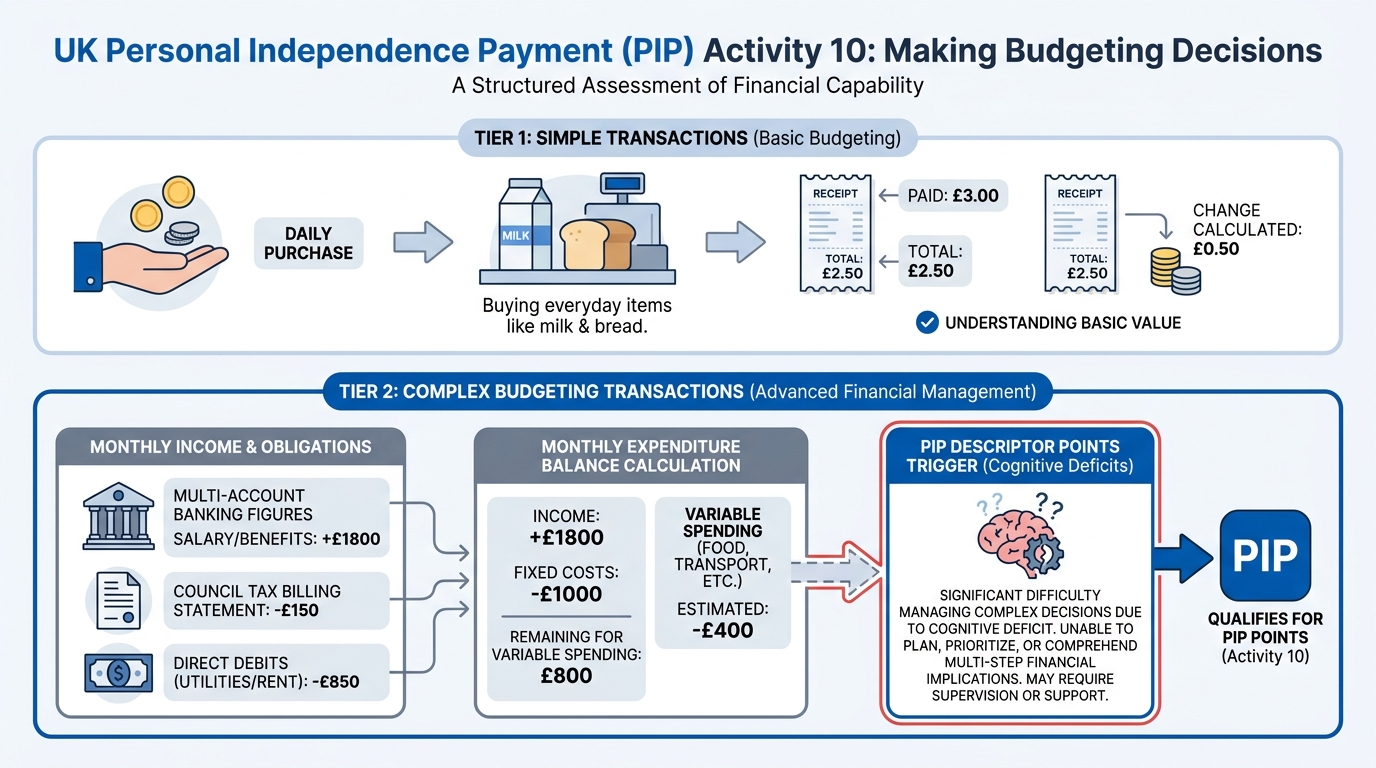
When you receive your official PA4 Medical Consultation Report from the Department for Work and Pensions (DWP), it can be distressing to find that the assessor's notes do not reflect the reality of your health condition or what was discussed during your consultation.
In this guide, we provide a forensic checklist for identifying factual inaccuracies, flawed informal observations, and legal misdirections so you can mount an airtight challenge.
What You'll Learn in This Guide:
- How Personal Independence Payment (PIP) works and who is eligible.
- A step-by-step walkthrough of starting your claim.
- How to answer form questions clearly, accurately, and safely.
- What medical and functional evidence you need to collect.
Personal Independence Payment (PIP) is a UK benefit designed to help with the extra costs of living with a long-term physical or mental health condition or disability. This comprehensive guide will walk you through the entire claim process, eligibility rules, and tips to ensure your claim is successful.
What is PIP?
PIP is not means-tested, which means it doesn't matter how much you earn, or how much you have in savings. It is paid on top of other benefits and is tax-free. It has two parts (components):
- Daily Living Component: For help with everyday tasks like preparing food, washing, dressing, and communicating.
- Mobility Component: For help with moving around or planning and following journeys.
Each component is paid at either a standard rate or an enhanced rate, depending on your level of need.
Step 1: Check if you are eligible
To qualify for PIP, you must generally:
- Be aged 16 or over and under State Pension age.
- Have a physical or mental health condition or disability where you have had challenges with daily living or mobility (or both) for at least 3 months, and expect these challenges to continue for at least another 9 months.
- Have lived in Great Britain for at least 2 of the last 3 years and be currently living there.
Step 2: Starting your claim
You can start your claim by calling the Department for Work and Pensions (DWP) on 0800 917 2222. You will need to provide:
- Your contact details and date of birth.
- Your National Insurance number.
- Information about your health conditions or disability.
- Your bank account details.
- Your GP or consultant's contact details.
After this call, the DWP will send you a form called "How your disability affects you" (either by post or email).
Step 3: Completing the "How your disability affects you" form
This is the most critical part of your claim. You will be asked about 10 daily living activities and 2 mobility activities. For each activity:
- Explain what challenges you have and why.
- Detail any aids, appliances, or help from others you need.
- Explain if you can do the task safely, to an acceptable standard, repeatedly, and in a reasonable timeframe (the statutory S.A.R.R. criteria under Regulation 4(2A)).
Pro Tip: Focus on your "Worst Days"
The DWP assesses your ability over a 12-month period. If you can perform a task sometimes, but not always, explain how often you experience challenges. If you cannot do it safely or reliably for more than 50% of the days, it counts as not being able to do it at all.
Step 4: Gather Supporting Evidence
Do not rely solely on your form description. Gather:
- Medical reports, GP letters, or consultant letters.
- Medication lists and prescriptions.
- Letters from occupational therapists, physiotherapists, or carers.
- A diary showing your daily challenges over a week or two.
Step 5: The Assessment
Most claimants are asked to attend an assessment with a healthcare professional. This may be face-to-face, by phone, or video call.
- Be honest and detailed about how your condition affects you.
- Do not try to "tough it out" or downplay your symptoms.
- You can bring a friend, family member, or advocate for support.
Next Steps
To start organising your evidence and checking it against the official guidelines, use our Evidence Tools and start your self-assessment using our PIP Claim Questionnaire.