
PIP Activity 2: Taking nutrition (eating, drinking and prompting points)
Key points
- Activity 2 looks only at the act of eating and drinking once food is in front of you: cutting food into pieces, bringing food and drink to your mouth, chewing and swallowing, or using a feeding tube.
- Needing adapted cutlery, supervision for choking risks, or help cutting up food scores 2 points (Descriptor 2b), and needing a therapeutic feeding tube scores 2 points (2c) or 6 points with help (2e).
- Needing another person to prompt, remind, or encourage you to eat on most days scores 4 points (Descriptor 2d), and needing someone to bring food and drink to your mouth scores 10 points (2f).
- Under Regulation 4(2A), you only count as able to take nutrition unaided if you can do so safely, to an acceptable standard, repeatedly across the day, and within a reasonable time.
View visual diagram: The 4 Regulation 4(2A) tests & the 50% rule▼
The 4 reliability tests for every PIP activity
In law, if you cannot do a task safely, to an acceptable standard, repeatedly and in a reasonable time, the DWP must treat you as needing help.
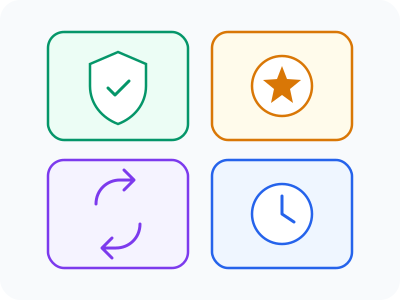
Without risk of falls, burns, cuts or harm to yourself or others.
Completed properly without severe pain, breathlessness or distress.
Able to repeat the task as often as needed across the day without exhaustion.
Taking no more than twice as long as someone without your condition.
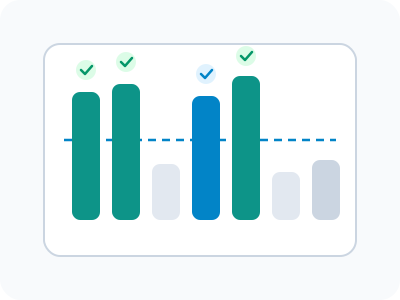
Good days do not cancel out your points
If a difficulty affects you on more than half of days (at least 4 days a week, or 183 days a year), that descriptor applies to your claim.
1. What Activity 2 (Taking nutrition) measures vs Activity 1
Many claimants mix up Activity 1 (Preparing food) and Activity 2 (Taking nutrition) on the PIP2 questionnaire. Keeping the two activities separate makes your answers much clearer:
- Activity 1 (Preparing food): Covers peeling, chopping, cooking on a hob, and serving a meal onto a plate.
- Activity 2 (Taking nutrition): Starts once cooked food and drink are already in front of you. Under Part 2 of Schedule 1 of the PIP Regulations, taking nutrition means cutting food into pieces, conveying food and drink to your mouth, and chewing and swallowing (or taking nutrition through a therapeutic feeding tube).
Note that Activity 2 measures the act of eating and drinking, not the nutritional quality of your diet. For example, eating cold snacks because you are too fatigued to cook belongs under Activity 1, whereas skipping meals entirely unless someone prompts you to eat, needing someone to cut up meat on your plate, or choking when swallowing belongs under Activity 2.
In Schedule 1 of the PIP Regulations, a therapeutic source means parenteral or enteral tube feeding (such as a PEG, NG, or JEJ tube, or TPN) delivered using a rate-limiting device such as a delivery system or feed pump. Drinking prescribed supplement shakes from a bottle or cup does not count as a therapeutic source, though needing prompting to drink them can count under Descriptor 2d.
2. All 6 PIP Taking Nutrition Descriptors (2a to 2f) & Points
Below is the complete statutory points table for Activity 2 under Schedule 1, Part 2 of the Social Security (Personal Independence Payment) Regulations 2013:
| Descriptor | Statutory wording | PIP points |
|---|---|---|
| 2a | Can take nutrition unaided | 0 points |
| 2b | Needs: (i) to use an aid or appliance to be able to take nutrition; or (ii) supervision to be able to take nutrition; or (iii) assistance to be able to cut up food | 2 points |
| 2c | Needs a therapeutic source to be able to take nutrition | 2 points |
| 2d | Needs prompting to be able to take nutrition | 4 points |
| 2e | Needs assistance to be able to manage a therapeutic source to take nutrition | 6 points |
| 2f | Cannot convey food and drink to their mouth and needs another person to do so | 10 points |
Descriptor 2b: Aids, supervision, or help cutting up food (2 points)
- 2b(i) Aids or appliances: You need adapted, weighted, or angled cutlery, a plate guard, a non-slip mat, or a two-handled / lidded beaker because of hand tremors, arthritis, weak grip, or poor coordination.
- 2b(ii) Supervision: Another person must stay with you while you eat or drink to watch for choking, aspiration, or seizures (for example, due to neurological dysphagia, Parkinson's disease, MS, stroke, or epilepsy).
- 2b(iii) Assistance cutting up food: Grip weakness, joint pain, one-handed function, or visual impairment means someone else has to cut solid food into bite-sized pieces on your plate before you eat.
Descriptor 2d: Prompting to take nutrition (4 points)
- Another person must remind, encourage, or coax you to eat and drink on more than 50% of days because severe depression, eating disorders, autism / sensory aversion (ARFID), dementia, or severe cognitive fatigue causes you to miss meals or stop eating without active prompting.
Descriptors 2c and 2e: Enteral or parenteral tube feeding (2 or 6 points)
- Descriptor 2c (2 points): You take nutrition via enteral or parenteral tube feeding with a rate-limiting delivery system or pump and manage the feed and equipment yourself.
- Descriptor 2e (6 points): You need physical help from another person to set up, connect, flush, clean, or manage your tube feeding equipment.
Descriptor 2f: Needs another person to convey food and drink to your mouth (10 points)
- Severe paralysis, tremor, movement disorder, or profound physical or cognitive disability means you cannot bring food and drink to your mouth reliably and another person must physically feed you (10 points qualifies for the Standard Daily Living rate of £76.70/week in 2026/27 on its own).
3. Common PA4 Assessment Pitfalls on Activity 2
Assessors often award 0 points on Activity 2 by writing "Normal BMI / stable weight, therefore takes adequate nutrition unaided".
If that happens in a PA4 report, or when you are writing your PIP2 / AR1 form, explain why your weight stays stable:
- Your weight may only be stable because of the daily help you receive: If your partner or carer prepares plates, cuts up your food, sits with you, and prompts you throughout the meal every day, your stable weight is the result of that support, not proof that you eat unaided.
- Spilling, pain, and Regulation 4(2A) acceptable standard: If tremors or weak grip cause you to spill hot drinks or drop food down your clothes without adapted two-handled cups and angled cutlery, you cannot eat safely or to an acceptable standard unaided.
- Repeatability across the day: We eat and drink several times every day. Managing breakfast when your morning medication peaks does not mean you can cut up or eat an evening meal unaided when fatigue and pain flare up.
- Reasonable time: If chewing, swallowing safely, or resting your hands makes a small meal take over an hour (more than twice as long as someone without your condition), point that out under Regulation 4(2A).
To show why Descriptor 2d (4 points) applies, describe what actually happens on days when nobody reminds or encourages you: for example, going all day without eating or drinking until you become dizzy, dehydrated, or unwell.
4. Worked Regulation 4(2A) Example Answers for Activity 2
Use these structured examples to see how daily symptoms, aids, and Regulation 4(2A) connect:
- Hand osteoarthritis & tremors (Descriptor 2b - 2 points): "Rheumatoid arthritis in my fingers and wrists means I cannot grip standard thin cutlery or press down with a knife to cut meat or firm vegetables without sharp joint pain and dropping the knife. On every meal involving solid food, I use thick-handled foam cutlery and a non-slip plate mat, or my partner cuts my food into bite-sized pieces before I eat. I also use a two-handled lidded mug so I do not spill hot tea onto my lap. Under Regulation 4(2A), I cannot cut up food or drink safely and to an acceptable standard unaided."
- Severe depression / autism & prompting (Descriptor 2d - 4 points): "On at least 5 days a week, severe depressive episodes and loss of hunger cues mean I forget to eat and feel overwhelmed when food is placed in front of me. Left alone, I go 24 hours without eating until I feel faint. My partner has to sit with me at mealtimes and gently prompt and encourage me to eat small amounts. Under Regulation 4(2A) and Regulation 7, I cannot take nutrition reliably on more than 50% of days without prompting."
MyPIPApp is an independent self-help tool and is not part of, or endorsed by, the DWP. Saving drafts here updates your private workspace only. To contact the DWP PIP enquiry line directly, call 0800 121 4433 (textphone 0800 121 4493).
Free Starter (£0) - one-off stage packs available
Check your estimated PIP points for free
Before you send your paperwork, use our free calculator to check your estimated score across all 12 PIP activities under the four Regulation 4(2A) tests: safely, to an acceptable standard, repeatedly and in a reasonable time.
Frequently asked questions
Do I still get 2 points under Descriptor 2b if I just avoid tough food instead of asking someone to cut it up?
If your hand pain, tremor, or weakness means you cannot cut up normal solid food reliably under Regulation 4(2A) and have to avoid foods that need cutting or rely on soft foods, explain why you cannot use a knife and fork safely and to an acceptable standard so the decision maker assesses Descriptor 2b (2 points).
Can depression, an eating disorder, or autism score 4 points on Activity 2?
Yes. Descriptor 2d awards 4 points if you need prompting (reminding or encouraging by another person) to take nutrition on more than 50% of days, whether due to depression, anorexia or bulimia, ARFID, autism sensory barriers, dementia, or cognitive fatigue.
Does choking or swallowing difficulty (dysphagia) count under Activity 2?
Yes. If dysphagia or neurological swallowing problems mean another person must supervise you during meals in case you choke (Descriptor 2b(ii), 2 points), or if you use a liquidiser / blender to puree solid food so you can swallow safely (an aid or appliance under 2b(i), 2 points), explain the choking risk and speech and language therapy advice clearly.
Related guides and articles
DWP independence notice: MyPIPApp is an independent self-help tool and is not part of, or endorsed by, the Department for Work and Pensions (DWP) or HMCTS. Actions taken in MyPIPApp update your own claim drafts only and do not notify government systems. To contact the DWP directly about your claim or PA4 report, call 0800 121 4433 (textphone 0800 121 4493).