
PIP Activity 5: Managing toilet needs or incontinence (points and examples)

Key points

- Activity 5 covers two areas: (1) getting on and off an unadapted toilet and cleaning yourself afterwards, and (2) managing bladder or bowel incontinence (including pads, catheters, and stoma bags).
- Using a raised toilet seat, toilet frame, grab rail, commode, bidet attachment, or managing incontinence pads, catheters, or stoma bags yourself scores 2 points (Descriptor 5b).
- Needing supervision or prompting scores 2 points (5c), needing physical help to get on/off the toilet or wipe/clean yourself scores 4 points (5d), and needing another person's help to manage bladder or bowel incontinence scores 6 points (5e) or 8 points for both (5f).
- Many claimants feel embarrassed writing about toilet or incontinence difficulties and leave Question 5 blank; explaining the facts plainly under Regulation 4(2A) ensures points are not missed.
View visual diagram: The 4 Regulation 4(2A) tests & the 50% rule▼
The 4 reliability tests for every PIP activity
In law, if you cannot do a task safely, to an acceptable standard, repeatedly and in a reasonable time, the DWP must treat you as needing help.
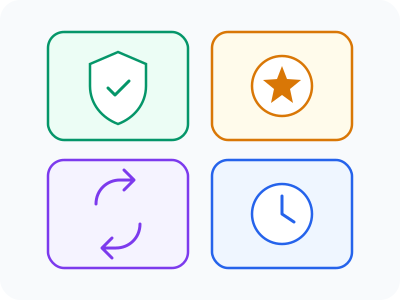
Without risk of falls, burns, cuts or harm to yourself or others.
Completed properly without severe pain, breathlessness or distress.
Able to repeat the task as often as needed across the day without exhaustion.
Taking no more than twice as long as someone without your condition.
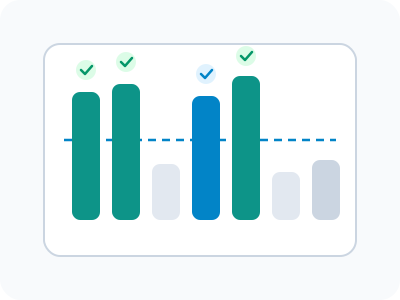
Good days do not cancel out your points
If a difficulty affects you on more than half of days (at least 4 days a week, or 183 days a year), that descriptor applies to your claim.
1. What Activity 5 (Managing toilet needs or incontinence) covers
It is completely understandable to feel uncomfortable writing about toilet habits, bladder leaks, bowel urgency, or wiping difficulties. Health assessors and DWP case managers read these details every day, and setting out the facts plainly in two or three clear sentences protects you from losing points you are entitled to.
Under Part 2 of Schedule 1 of the PIP Regulations, Activity 5 looks at two distinct tasks:
- Toilet needs: Getting on and off a standard unadapted toilet, evacuating your bladder and bowel, and cleaning yourself afterwards to an acceptable standard. (Note: walking to reach the bathroom is assessed under Activity 12, and pulling trousers or underwear up and down is assessed under Activity 6.)
- Managing incontinence: Managing involuntary loss of bladder or bowel control, including using incontinence pads, protective pants, sheaths, self-catheterisation, or stoma / colostomy / ileostomy bags, and cleaning yourself if an accident happens.
Even if you change your own incontinence pads, empty your own stoma bag, or self-catheterise without help from anyone else, those items count as 'aids or appliances' to manage incontinence under Descriptor 5b (2 points) when needed on more than 50% of days.
2. All 6 PIP Managing Toilet Needs Descriptors (5a to 5f) & Points
Below is the complete statutory points table for Activity 5 under Schedule 1 of the PIP Regulations:
| Descriptor | Statutory wording | PIP points |
|---|---|---|
| 5a | Can manage toilet needs or incontinence unaided | 0 points |
| 5b | Needs to use an aid or appliance to be able to manage toilet needs or incontinence | 2 points |
| 5c | Needs supervision or prompting to be able to manage toilet needs | 2 points |
| 5d | Needs assistance to be able to manage toilet needs | 4 points |
| 5e | Needs assistance to be able to manage incontinence of either bladder or bowel | 6 points |
| 5f | Needs assistance to be able to manage incontinence of both bladder and bowel | 8 points |
Descriptor 5b: Toilet adaptations or incontinence aids (2 points)
- You need a raised toilet seat, toilet surround frame, wall-mounted grab rail, bedside commode, bottom wiper tool, or bidet / wash-dry toilet to sit down, stand up, or clean yourself safely.
- Or you wear incontinence pads / pants (due to urge or stress incontinence, prostate issues, pelvic floor damage, IBD, IBS, or neurological bladder/bowel conditions) or manage a catheter or stoma yourself on most days.
Descriptor 5c: Supervision or prompting (2 points)
- Cognitive impairment, dementia, learning disability, severe depression, or seizure / fall risk means someone must remind you to use the toilet or stay nearby to keep you safe.
Descriptor 5d: Physical assistance with toilet needs (4 points)
- Another person must physically steady or lift you on or off an unadapted toilet, or help clean you afterwards because spinal fusion, severe shoulder/hand arthritis, or balance loss stops you twisting and wiping hygienically.
Descriptors 5e (6 points) and 5f (8 points): Physical assistance with incontinence
- Descriptor 5e (6 points): You need hands-on physical help from another person to change soiled pads, clean your skin after accidents, or empty, clean, or change a catheter or stoma bag for either bladder or bowel incontinence.
- Descriptor 5f (8 points): You need hands-on physical help from another person to manage incontinence of both bladder and bowel (qualifies for the Standard Daily Living rate of £76.70/week in 2026/27 on its own).
3. Checking Activity 5 Against Regulation 4(2A) Reliability
Check your everyday experience against the four Regulation 4(2A) tests:
- Safely: If lowering yourself onto a low standard toilet or pushing back up causes your knees or hips to give way, triggers postural dizziness, or forces you to pull on the sink or radiator (which could come away from the wall), explain why you need grab rails or a raised toilet frame (Descriptor 5b, 2 points) or physical support (Descriptor 5d, 4 points).
- To an acceptable standard (hygiene and dignity): Cleaning yourself thoroughly without severe pain or loss of dignity is part of the legal test. If restricted spinal rotation, frozen shoulder, or hand arthritis prevents you reaching to wipe properly without a bidet attachment or bottom wiper, that satisfies Descriptor 5b (2 points).
- Repeatedly: You use the toilet many times every day and night. Managing during the daytime when stiffness has eased does not mean you can get off the toilet unaided during the night or early morning when pain and stiffness peak.
- The 50% rule (Regulation 7): If you wear incontinence pads every day as a necessary precaution because sudden bladder leaks or Crohn's / colitis urgency affects you on most days, state clearly how many days per week leaks or urgency occur.
4. Dignified Worked Example Answers for Activity 5
Here are two calm, factual ways to explain Activity 5 on your PIP2 or AR1 form:
- Hip/spine arthritis & toilet aids (Descriptor 5b - 2 points): "Severe osteoarthritis in both hips and lumbar disc disease mean I cannot lower myself onto or stand up from a standard low toilet without sharp pain and losing my balance. Before occupational therapy fitted a 4-inch raised toilet seat and a grab rail beside the toilet, I had to haul myself up using the washbasin. Twisting to wipe also triggers severe lower back spasm, so I use a clip-on bidet spray to clean myself hygienically. Under Regulation 4(2A), I cannot manage toilet needs safely, repeatedly, or to an acceptable standard without these aids."
- Stoma / incontinence assistance (Descriptor 5e - 6 points): "Following bowel surgery I have an ileostomy stoma, alongside severe rheumatoid arthritis in both hands. Because of poor grip strength and finger swelling on at least 5 days a week, I cannot cut, align, or seal a fresh baseplate onto my abdomen or clean leaks without my partner's hands-on physical assistance. Under Regulation 4(2A), I require physical assistance to manage bowel incontinence hygienically and safely."
MyPIPApp is independent and not part of the DWP. Anything you save here stays in your private drafts and is not sent to the DWP. To contact the DWP PIP enquiry line directly, call 0800 121 4433 (textphone 0800 121 4493).
Free Starter (£0) - one-off stage packs available
Check your estimated PIP points for free
Before you send your paperwork, use our free calculator to check your estimated score across all 12 PIP activities under the four Regulation 4(2A) tests: safely, to an acceptable standard, repeatedly and in a reasonable time.
Frequently asked questions
Do shop-bought incontinence pads count for 2 points under Descriptor 5b, or do they have to be NHS prescribed?
They do not have to be prescribed by the NHS. If bladder or bowel incontinence means you reasonably need to wear shop-bought incontinence pads or protective pants on more than 50% of days (note that standard sanitary towels do not count, so specify incontinence pads such as Tena or supermarket incontinence products), Descriptor 5b awards 2 points.
What if I hold onto the sink or towel rail to stand up from the toilet because I do not have a grab rail yet?
Pulling on an unfixed sink, radiator, or towel rail is unsafe under Regulation 4(2A). Explain that you cannot get on and off an unadapted toilet safely without holding onto fixtures and therefore reasonably need a grab rail or raised toilet frame under Descriptor 5b (2 points).
Does needing help to change clothes after an accident count under Activity 5 or Activity 6?
Needing help to manage incontinence pads and clean yourself counts under Activity 5 (Descriptors 5e or 5f), while needing physical help to take off soiled clothes and put clean clothes back on can also be explained under Activity 6 (Dressing and undressing).
Related guides and articles
DWP independence notice: MyPIPApp is an independent self-help tool and is not part of, or endorsed by, the Department for Work and Pensions (DWP) or HMCTS. Actions taken in MyPIPApp update your own claim drafts only and do not notify government systems. To contact the DWP directly about your claim or PA4 report, call 0800 121 4433 (textphone 0800 121 4493).