
PIP Activity 6: Dressing and Undressing descriptors, points and examples
Key points
- Activity 6 assesses whether you can put on and take off appropriate everyday clothing and footwear (including socks, shoes, buttons, zips, and bras) under Regulation 4(2A).
- Using aids such as a sock aid, button hook, long-handled shoehorn, or elastic laces scores 2 points (6b), and needing prompting or help to choose appropriate clothes scores 2 points (6c).
- Needing physical help with lower body clothing, socks, or shoes scores 2 points (6d), whereas needing physical help with upper body clothing (tops, coats, zips, or bras) scores 4 points (6e).
- Only wearing loose tracksuit bottoms or slip-on shoes to avoid painful buttons, zips, or laces still counts as a restriction under the Regulation 4(2A) acceptable standard test.
View visual diagram: The 4 Regulation 4(2A) tests & the 50% rule▼
The 4 reliability tests for every PIP activity
In law, if you cannot do a task safely, to an acceptable standard, repeatedly and in a reasonable time, the DWP must treat you as needing help.
Without risk of falls, burns, cuts or harm to yourself or others.
Completed properly without severe pain, breathlessness or distress.
Able to repeat the task as often as needed across the day without exhaustion.
Taking no more than twice as long as someone without your condition.
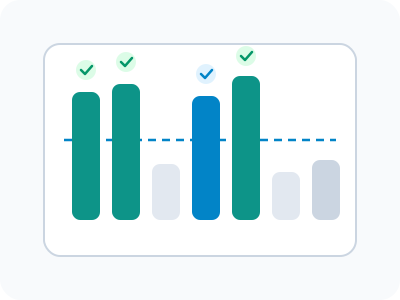
Good days do not cancel out your points
If a difficulty affects you on more than half of days (at least 4 days a week, or 183 days a year), that descriptor applies to your claim.
1. What Activity 6 (Dressing and undressing) covers
Activity 6 of the PIP Daily Living component measures your ability to put on and take off everyday indoor and outdoor clothing, including fastening buttons, zips, bras, and laces, and choosing clothing suitable for the weather or occasion.
Why wearing loose tracksuit bottoms to avoid buttons or zips still counts
A very common error in PA4 assessment reports is awarding 0 points because a claimant says "I manage by wearing loose jogging bottoms, oversized t-shirts, and slip-on shoes."
- Under Regulation 4(2A) and the DWP PIP Assessment Guide (PIPAG Part 2), you must be able to dress and undress to an acceptable standard.
- If you only wear elasticated trousers, slip-on footwear, or front-opening tops because hand arthritis, tremor, shoulder pain, or spinal stiffness prevents you fastening normal buttons, zips, bras, or shoelaces, you are restricting your clothing due to disability.
- Always explain on your PIP2 form what happens when you try to put on standard clothing with fastenings, socks, or outdoor shoes.
Staying in pyjamas all day or being restricted to loose pull-on clothes because you cannot manage buttons, zips, bras, or socks is not dressing unaided to an acceptable standard. State clearly which fastenings or garments you cannot manage.
2. All 6 PIP Dressing and Undressing Descriptors (6a to 6f) & Points
Below are the six statutory descriptors for Activity 6 under Schedule 1 of the PIP Regulations:
| Descriptor | Statutory wording | PIP points |
|---|---|---|
| 6a | Can dress and undress unaided | 0 points |
| 6b | Needs to use an aid or appliance to be able to dress or undress | 2 points |
| 6c | Needs either: (i) prompting to be able to dress, undress or determine appropriate circumstances for remaining clothed; or (ii) prompting or assistance to be able to select appropriate clothing | 2 points |
| 6d | Needs assistance to be able to dress or undress their lower body | 2 points |
| 6e | Needs assistance to be able to dress or undress their upper body | 4 points |
| 6f | Cannot dress or undress at all | 8 points |
Descriptor 6a: Can dress and undress unaided (0 points)
- You can put on and take off upper and lower body clothing, socks, shoes, and fastenings without aids, prompting, or physical help, within a reasonable time.
Descriptor 6b: Needs to use an aid or appliance to be able to dress or undress (2 points)
You rely on adapted dressing aids to manage fastenings or reach your feet safely:
- Sock aid or stocking gutter: Hip, knee, or back pain or dizziness when bending stops you reaching your feet to pull on socks unaided.
- Long-handled shoehorn or elastic/no-tie shoelaces: You cannot bend down or grip standard laces to put on outdoor shoes.
- Button hook, zip puller, or dressing stick: Hand osteoarthritis, neuropathy, carpal tunnel syndrome, or tremor reduces finger dexterity and pinch grip.
Descriptor 6c: Needs prompting or assistance to select appropriate clothing or dress (2 points)
Mental health, cognitive, neurodivergent, or sensory conditions affect getting dressed:
- Severe depression or cognitive fatigue: You stay in nightwear or the same clothes for several days unless a partner, relative, or carer prompts and encourages you to get dressed.
- Dementia, brain injury, autism, or visual impairment: You need prompting or help to choose clean clothes suitable for the weather (such as not wearing thin indoor clothes in freezing weather) or to put garments on in the right order.
Descriptor 6d: Needs assistance to be able to dress or undress their lower body (2 points)
- Bending forward causes severe spinal pain, breathlessness, or loss of balance, so another person has to put on or take off your socks, shoes, trousers, or underwear for you.
Descriptor 6e: Needs assistance to be able to dress or undress their upper body (4 points)
- Restricted shoulder movement, upper-limb pain, tremor, or severe fatigue means another person must help you thread your arms into sleeves, pull jumpers or tops over your head, or fasten shirts, coat zips, or a bra.
Descriptor 6f: Cannot dress or undress at all (8 points)
- Severe physical or cognitive restrictions mean another person must dress and undress you completely.
3. Worked Before & After PIP2 Example Answers
Compare how a brief answer can miss points versus a detailed Regulation 4(2A) explanation:
| Weak answer (often scores 0 pts) | Clear Regulation 4(2A) answer (explains points) |
|---|---|
| "I wear slip-on shoes and tracksuit bottoms because my hands hurt and I cannot bend easily." | "Rheumatoid arthritis in my fingers and wrists causes swelling and weak pinch grip on most days, so I cannot fasten shirt buttons, coat zips, or a bra without using a button hook and zip puller (Descriptor 6b) or having my partner fasten my upper body clothing and help pull tops over my shoulders when my shoulders flare (Descriptor 6e, 4 points). Under Regulation 4(2A), wearing only loose clothing is a workaround, not an ability to dress to an acceptable standard." |
| "My partner helps me with my socks and shoes before I go out." | "Due to lumbar spinal stenosis and vertigo when bending forward, I cannot reach below my knees safely without losing balance. Sitting on the bed, it still takes me over 25 minutes of painful effort to dress, and my partner must put on and take off my socks, trousers, and shoes each day (Descriptor 6d, 2 points) so I can dress safely and within a reasonable time under Regulation 4(2A)." |
Notice that physical help with lower body clothes (socks, shoes, trousers) scores 2 points (6d), whereas physical help with upper body clothes (sleeves, jumpers, coat zips, bras) scores 4 points (6e). Always mention both if both apply on more than 50% of days.
4. Checking Activity 6 Against Regulation 4(2A)
Before submitting your form or Mandatory Reconsideration, check your answer against all four Regulation 4(2A) tests:
- Safely: Does bending down to put on socks, trousers, or shoes make you dizzy, breathless, or lose your balance? Do you have to sit on the bed or a chair to stop yourself falling?
- To an acceptable standard: Are clothes left inside-out, unfastened, unwashed, or unsuitable for the temperature outside without help or prompting?
- Repeatedly: Getting dressed in the morning is only half the task. You also have to undress at night, and change clothes if garments get wet or soiled during the day.
- Within a reasonable time: If stiffness, pain, or breathlessness means getting dressed takes 20 to 30 minutes with rest breaks in between, explain that clearly.
MyPIPApp is independent and not affiliated with the DWP. Saving your answers here does not send them to the DWP. To contact the DWP about your PIP claim, call 0800 121 4433 (textphone 0800 121 4493).
Free Starter (£0) - one-off stage packs available
Check your estimated PIP points for free
Before you send your paperwork, use our free calculator to check your estimated score across all 12 PIP activities under the four Regulation 4(2A) tests: safely, to an acceptable standard, repeatedly and in a reasonable time.
Frequently asked questions
Does sitting on the edge of the bed to get dressed count as an aid under Descriptor 6b?
Sitting on an ordinary bed or chair by itself is not usually treated as a specialist aid or appliance under 6b, though needing to sit down shows balance, pain, or breathlessness restrictions under Regulation 4(2A). Using adapted tools like a sock aid, button hook, zip puller, or long-handled shoehorn clearly qualifies under Descriptor 6b (2 points).
Why does help with upper body clothing score 4 points (6e) while lower body help scores 2 points (6d)?
Under Schedule 1 of the PIP Regulations, needing physical help to dress or undress your upper body (Descriptor 6e) carries 4 points, while lower body assistance (Descriptor 6d) carries 2 points. If you need help with a bra, shirt buttons, coat zips, or pulling tops over your head on most days, make sure you describe that upper body help clearly.
Does staying in pyjamas because of depression count under Activity 6?
Yes. If depression, severe anxiety, autism, or cognitive fatigue means you remain in nightwear all day unless someone prompts and encourages you to dress, Descriptor 6c awards 2 points.
Related guides and articles
DWP independence notice: MyPIPApp is an independent self-help tool and is not part of, or endorsed by, the Department for Work and Pensions (DWP) or HMCTS. Actions taken in MyPIPApp update your own claim drafts only and do not notify government systems. To contact the DWP directly about your claim or PA4 report, call 0800 121 4433 (textphone 0800 121 4493).